Modern architecture requires materials that balance visual appeal, durability, maintenance needs, and long-term value. Architectural surfacing products have become an important choice for residential, commercial, and hospitality environments because they provide designers and builders with flexible solutions for creating functional and attractive spaces. From countertops and wall applications to custom interiors, these surfaces help define how people experience a space.
As a trusted provider of innovative surface solutions, Hyundai L&C delivers materials designed to meet the changing demands of architects, designers, contractors, and property owners. Choosing the right surface involves more than selecting a color or pattern. It requires understanding material performance, fabrication options, and how each product will perform over time.
Understanding the Role of Architectural Surfacing Products
Architectural surfacing products are designed to serve both practical and aesthetic purposes within interior environments. These materials are commonly used for countertops, vanities, workspaces, reception areas, wall panels, and other architectural features where appearance and durability matter.
Unlike traditional materials that may require frequent upkeep or limited design choices, modern surfacing options provide a wider range of possibilities. Designers can select from different textures, finishes, colors, and patterns while considering important factors such as resistance to stains, moisture, heat, and daily wear.
The right surfacing material can help create cohesive interiors while supporting the functional requirements of a space. For example, a healthcare facility may prioritize hygienic and easy-to-clean surfaces, while a hospitality project may focus on visual impact and guest experience.
Key Benefits of Modern Architectural Surfacing Products
Selecting quality surfaces can influence the performance and appearance of a project for many years. Several features make modern surfacing materials valuable for different applications.
Design Flexibility for Custom Interiors
One of the biggest advantages of today’s surface materials is design versatility. Architects and designers can work with a variety of patterns, finishes, and colors to achieve specific visual goals.
Materials such as quartz surfaces and acrylic solid surfaces allow professionals to create consistent designs across multiple areas. This flexibility makes it easier to coordinate countertops, backsplashes, wall features, and other interior elements.
Custom fabrication also allows surfaces to be shaped according to project requirements. Unique edges, integrated sinks, curved designs, and seamless installations can help create distinctive architectural details.
Durability for High-Use Environments
Commercial and residential spaces experience constant activity, making durability a major consideration. Quality surfacing materials are designed to withstand everyday use while maintaining their appearance.
Important performance characteristics include:
- Resistance to common stains and spills
- Strong surface integrity for daily activities
- Easy cleaning and maintenance requirements
- Reliable performance in busy environments
When selecting materials, project teams should consider how the surface will be used. A kitchen countertop, office reception desk, and hotel bathroom vanity may require different performance qualities based on exposure and traffic levels.
Low-Maintenance Surface Solutions
Maintenance requirements can affect the long-term cost and convenience of a material choice. Many modern surfaces are created with smooth, nonporous characteristics that make routine cleaning easier.
Nonporous materials help reduce the absorption of liquids, which can support cleaner environments and simplify maintenance routines. This feature is especially valuable in spaces where hygiene is a priority, including healthcare facilities, restaurants, and commercial buildings.
Proper cleaning practices remain important regardless of the material selected. Following manufacturer recommendations helps preserve the surface finish and maintain its original appearance.
Choosing Architectural Surfacing Products Based on Project Needs
Every project has different requirements, so material selection should begin with a clear understanding of the environment. Designers, contractors, and property owners should evaluate several factors before making a final decision.
Consider the Space Application
The location and purpose of a surface influence which material characteristics are most important. Areas with frequent use may require stronger resistance to impact, stains, and moisture.
For example:
- Residential kitchens benefit from durable and easy-to-clean countertops.
- Commercial offices may require professional-looking surfaces that handle daily activity.
- Hospitality spaces often need materials that combine appearance with dependable performance.
- Healthcare environments may prioritize hygienic surfaces with simple maintenance routines.
Understanding the purpose of the space helps ensure the selected material supports both practical and design goals.
Evaluate Fabrication and Installation Options
A quality material performs best when paired with skilled fabrication and installation. Professional fabricators understand how to handle different surface types, create accurate cuts, and achieve proper finishing details.
Installation quality affects the final appearance and long-term performance of a surface. Even premium materials require careful preparation, precise measurements, and appropriate installation techniques.
Working with experienced professionals can help avoid common issues such as visible seams, improper support, or damage during installation.
Balance Appearance and Function
A visually appealing surface should also meet the practical needs of the environment. While color and texture are important design considerations, they should be evaluated alongside durability, maintenance, and usage expectations.
For example, a surface with a striking appearance may not be suitable for a high-traffic area if it requires excessive maintenance. The best choices combine attractive design with dependable everyday performance.
Sustainable Considerations in Surface Selection
Sustainability continues to influence decisions in architecture and interior design. Many projects now consider how materials are produced, maintained, and used throughout their lifespan.
Long-lasting surfacing materials can support responsible design decisions by reducing the need for frequent replacements. Durable products that maintain their appearance over time can contribute to more efficient resource use.
Material selection can also involve evaluating manufacturing practices, product lifespan, and maintenance requirements. These considerations allow project teams to make choices that align with broader environmental goals while meeting design expectations.
Trends Shaping Architectural Surfacing Products
The future of interior design continues to move toward materials that offer both performance and personalization. Several trends are influencing how architects and designers approach surfacing solutions.
Natural-Inspired Designs
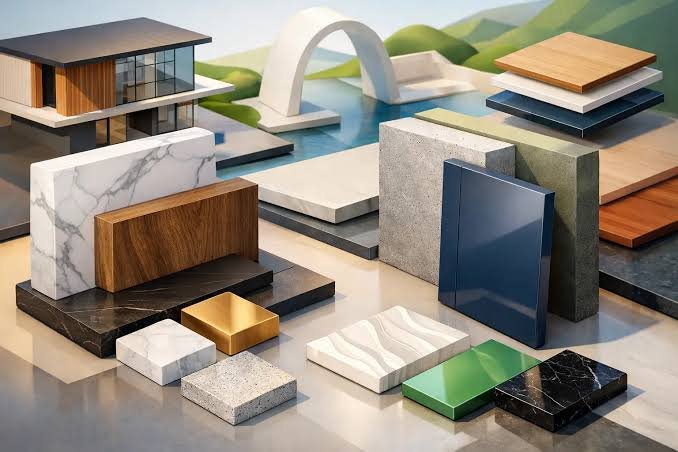
Many modern interiors incorporate patterns inspired by natural materials such as stone, marble, and wood. These designs provide a sophisticated appearance while offering the consistency and practicality of engineered surfaces.
Nature-inspired finishes allow designers to create elegant spaces without relying only on traditional materials that may require more maintenance.
Seamless and Integrated Applications
Seamless surface applications are becoming increasingly popular in contemporary interiors. Integrated designs can create clean visual transitions between different elements while supporting easier maintenance.
This approach is commonly used in kitchens, bathrooms, commercial spaces, and custom architectural projects where a continuous appearance is desired.
Personalized Interior Experiences
Designers are increasingly looking for materials that allow greater creative freedom. Custom colors, unique patterns, and specialized fabrication techniques provide more opportunities to create spaces that reflect a specific vision.
As technology and manufacturing methods continue to improve, surfacing products will continue offering more options for customized interiors.
Making the Right Investment in Surface Materials
Choosing architectural surfacing products requires careful planning and consideration of both immediate and long-term needs. The right material should support the purpose of the space, match the desired aesthetic, and provide reliable performance over time.
Working with knowledgeable suppliers, experienced fabricators, and qualified design professionals can help project teams make informed decisions. By evaluating durability, maintenance, appearance, and installation requirements, property owners can select surfaces that provide lasting value.
Modern surfacing solutions offer a combination of practicality and design flexibility that supports a wide range of applications. Whether used in homes, offices, hospitality spaces, or commercial facilities, these materials continue to play an important role in creating interiors that are both functional and visually appealing.
Final Thoughts
Architectural surfacing products provide designers, builders, and property owners with versatile options for creating durable and attractive environments. From advanced quartz surfaces to acrylic solid surface materials, today’s solutions offer performance features that meet the demands of modern construction and interior design.
Careful material selection, professional installation, and proper maintenance practices all contribute to long-lasting results. As architectural needs continue to change, choosing dependable surface materials remains an important step in creating spaces that deliver lasting function and style. With innovative solutions from Hyundai L&C, architects, designers, and property owners can select high-quality surfaces that support both aesthetic goals and long-term performance.